Expert environmentsfor vertical AI

Papiro Labs builds reinforcement learning environments from real professional work, starting with healthcare.

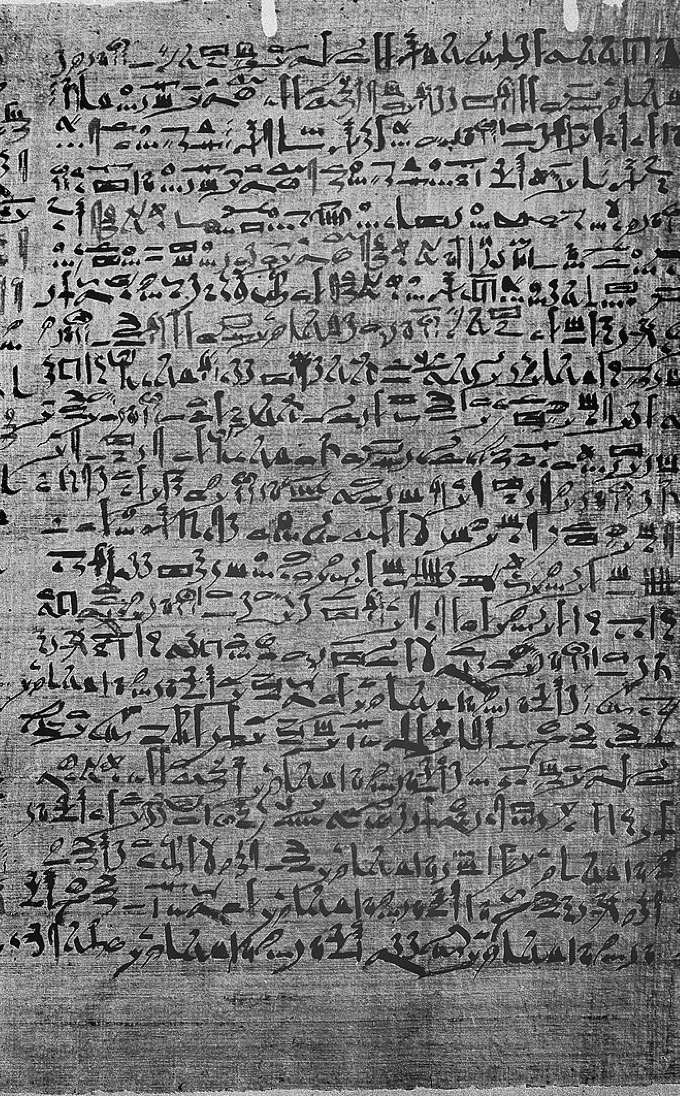
A column of the Edwin Smith Papyrus, dense black hieratic script on grey papyrus

Pictured: the Edwin Smith Papyrus, surgical case records, about 1600 BCE. Move over it to read its cases.

Graded since 1600 BCE

The oldest surgical papyrus records 48 cases, each with an examination, a diagnosis and a verdict. Our environments keep that shape: a case, an expert answer, a grader.

Seated stone statue of Hapi the scribe with a papyrus open across his lap, in a museum case
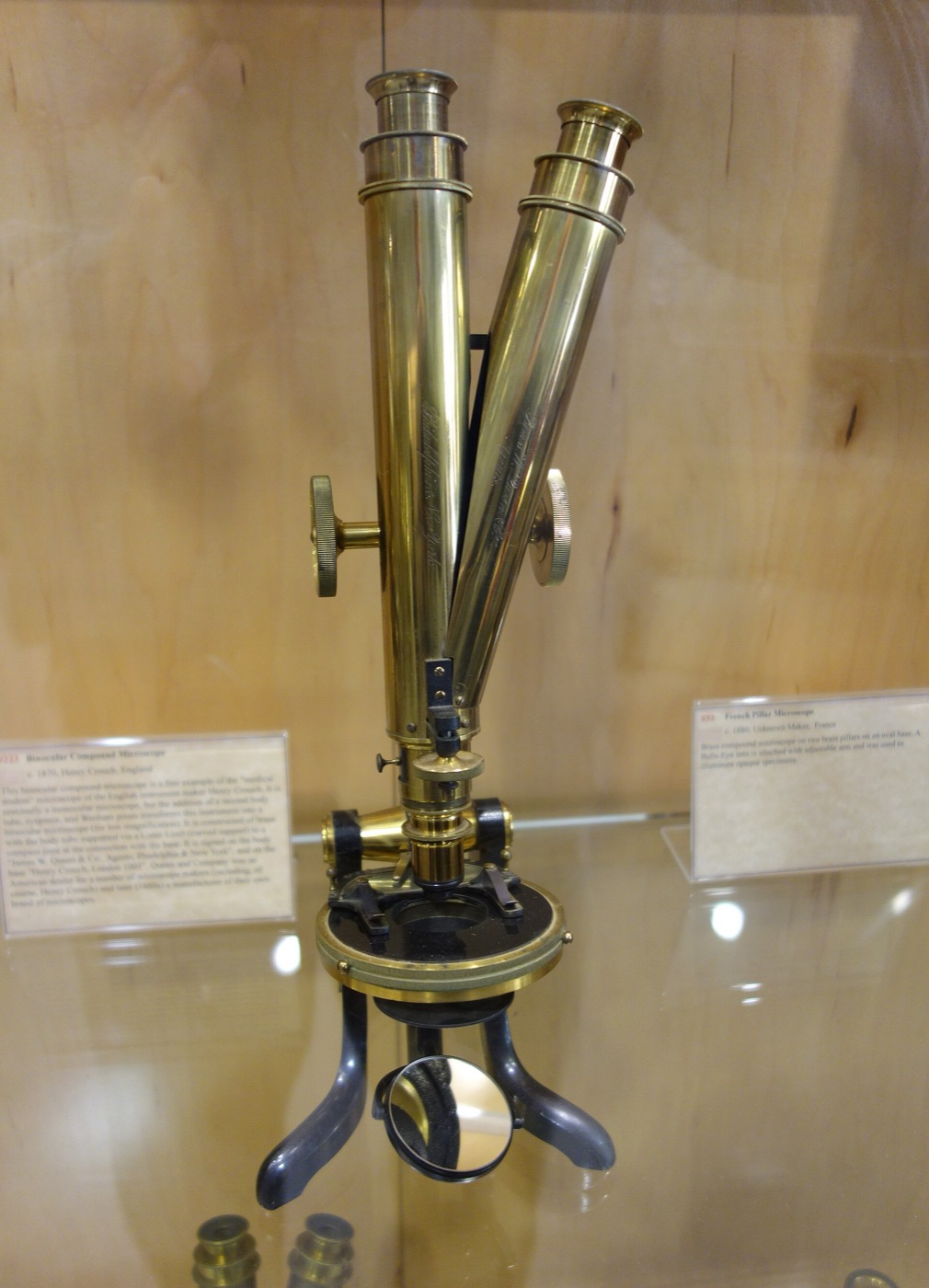
Hapi the scribe, 19th dynasty. The first people to write a case down.
Another column of the Edwin Smith Papyrus, black and red hieratic script
Edwin Smith Papyrus. Each case ends in one of three verdicts: treat, contend with, or not treat.

How a model learns from it

Every environment runs the same loop. The model works a real case, a grader checks it against the expert answer, and the score becomes the signal it trains on.

  1. CaseA real task, built from licensed, de-identified records.
  2. AttemptThe model reads the record and answers, step by step.
  3. GraderChecks the answer against the expert's, exactly or with a checked rubric.
  4. RewardA score the training loop can use, with the reason attached.
  5. UpdateThe model is trained on the reward, then takes the next case.
Next case. The loop repeats over thousands of cases. Cases held out of training measure whether the model really improved.
Schematic: reward on training cases rises quickly; score on held-out cases rises more slowly and is the honest measure. Training Score

Why the held-out set matters

Reward on training cases climbs fast; a model can learn a test.

Score on held-out cases, never trained on, is what shows the model can do the work.

Schematic, not measured results.

Try a task

Clinical coding

Synthetic record. No real patient.

Record

54-year-old woman, follow-up for high blood pressure diagnosed three years ago.

Takes amlodipine 5 mg daily. Blood pressure today 128/82. No complaints.

Question

Which ICD-10 code is the primary diagnosis for this visit?
What we build

  • RL environmentsMulti-step tasks built from real records and workflows, each with an automatic grader your training loop can call.
  • Evaluation setsPrivate, held-out benchmarks that never touch training, so a score means what it says.
  • Custom buildsEnvironments shaped around where your model fails, designed with the practitioners who do the work.
  • Expert gradersRubrics written and checked by domain experts, tested against known answers before they ship.
  • De-identificationOur own tool removes names, ID numbers, contact details and addresses on our machines, with no third-party service in the loop.
  • Data cardsEvery release ships with its sources, coverage, method and known limits written down.

Healthcare first

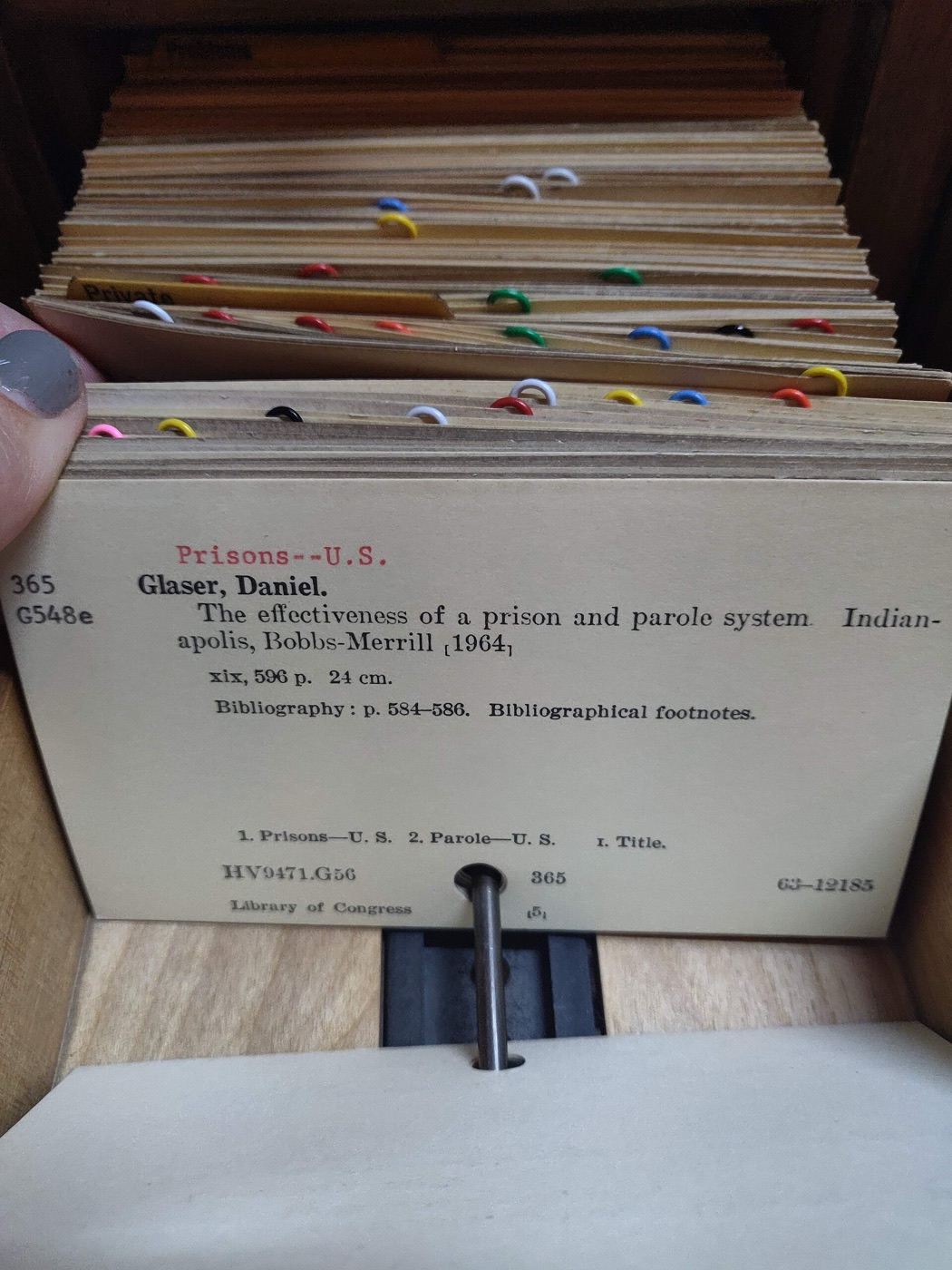
Built from longitudinal patient records, licensed from the institutions that hold them and de-identified before use.

How we build

The same five stages for every vertical, so quality holds as we add new ones.

Licensed

Records come from data holders under written agreements that allow de-identified use for AI.

De-identified

Names, ID numbers, contacts and addresses are removed on our own machines before the work starts.

Expert-written

Practitioners choose the cases that matter and write the answer a good professional would give.

Graded

Each task gets a grader: exact where the answer is exact, a checked rubric where judgement is needed.

Verified

Graders are tested against known answers and reviewed by a second expert before release.

Start with one environment

Tell us what you're training and we'll send a sample environment with its grader.

First vertical: healthcare.

Request a sample